
Shockwave Therapy Port Coquitlam
Table of Contents
Understanding Shockwave Therapy in Port Coquitlam
Living an active lifestyle in Port Coquitlam often means dealing with nagging musculoskeletal pains from sports or daily activities. At Harmony Physiotherapy, we offer Coquitlam Shockwave Therapy as a cutting-edge, non-invasive option for relief. This innovative treatment uses high-energy acoustic waves to target affected areas, stimulating the body’s natural healing processes without the need for surgery or downtime. For residents seeking effective pain management, shockwave therapy in Port Coquitlam represents a promising solution backed by evidence-based practice.
Shockwave therapy delivers controlled sound waves that penetrate deep into tissues, promoting mechanotransduction at the cellular level. This leads to increased blood flow, collagen production, and tissue regeneration, as highlighted in insights from the Mayo Clinic on its role in musculoskeletal care. We integrate this modality with manual physiotherapy and other services at our Coquitlam clinic to provide patient-centered care. It’s particularly popular for conditions like chronic tendonitis, including shockwave therapy for plantar fasciitis and shockwave therapy for tennis elbow, helping active individuals reduce pain and restore function. As a non-invasive musculoskeletal therapy, it offers benefits such as accelerated recovery and minimal side effects, making it suitable for those avoiding more invasive interventions.
In this guide, we explore the fundamentals of acoustic wave treatment for pain, its specific applications, and practical considerations for treatment at Harmony Physiotherapy. Our experienced, knowledgeable, and fully certified professionals tailor protocols to your needs, ensuring optimal outcomes through advanced equipment and individualized assessments. Whether you’re managing heel pain or elbow strain, discover how our team supports your journey to better mobility.
Fundamentals of Shockwave Therapy
Shockwave Therapy in Port Coquitlam offers a non-invasive approach to addressing chronic musculoskeletal pain, particularly for active individuals in the area who engage in sports or demanding physical activities. This therapy utilizes high-energy acoustic waves to stimulate the body’s natural healing processes, providing an alternative to more invasive treatments. At Harmony Physiotherapy and Health Clinic, we integrate this evidence-based practice into our patient-centered care, helping clients manage conditions that persist despite conventional methods. Understanding its fundamentals empowers individuals to make informed decisions about their rehabilitation options.
The core principles of shockwave therapy revolve around the delivery of acoustic waves to targeted tissues, promoting regeneration without surgery. We utilize two main types: focused shockwave, which concentrates energy at specific depths for precise treatment of deep structures like tendons, and radial shockwave, which disperses pressure waves more broadly for superficial issues. These waves interact with tissues by creating microtrauma that triggers biological responses, including increased blood flow and the release of growth factors such as VEGF and PDGF, as supported by studies on extracorporeal shock wave therapy. This leads to neovascularization, enhanced tenocyte proliferation, and reduced inflammation through decreased expression of mediators like MMPs and interleukins.
Key physiological effects include:
- Improved circulation to accelerate nutrient delivery and waste removal in affected areas.
- Anti-inflammatory responses that alleviate pain and swelling in chronic conditions.
- Tissue remodeling via neovascularization, fostering long-term healing without pharmaceuticals.
Research indicates success rates of 60% to 80% for tendinopathies, with one study showing significant pain reduction and fascia thickness decrease in plantar fasciitis patients after three weeks of treatment.
While shockwave therapy stands out for its regenerative focus, it complements other physiotherapy modalities. Traditional alternatives like ultrasound and manual therapy address similar musculoskeletal conditions but differ in application and outcomes. The following table outlines these differences to highlight how shockwave fits into a comprehensive plan.
| Treatment Type | Mechanism | Typical Session Duration | Invasiveness Level |
|---|---|---|---|
| Shockwave Therapy | Acoustic waves stimulate tissue regeneration | 15-20 minutes | Non-invasive |
| Ultrasound Therapy | Heat and vibration for deep tissue | 10-15 minutes | Non-invasive |
| Manual Therapy | Hands-on manipulation | 30-45 minutes | Non-invasive |
This comparison, drawn from established sources like Mayo Clinic and PMC studies, illustrates shockwave’s efficiency in shorter sessions while promoting deeper healing compared to heat-based or manipulative techniques. It may complement physiotherapy by accelerating recovery in stubborn cases, allowing patients to resume activities sooner without added risks.
Building on these mechanisms, shockwave therapy targets a range of common conditions prevalent among Port Coquitlam residents, from runners to office workers. It proves effective for tendonopathies, including shockwave therapy for plantar fasciitis, where it reduces heel pain by addressing inflammation and promoting repair, and shockwave therapy for tennis elbow, easing lateral epicondylitis through enhanced tendon vitality. Other applications encompass Achilles tendinitis, calcific shoulder issues, and patellar tendinopathy, all benefiting from acoustic pulse therapy for tendons. These treatments align with our evidence-based protocols, emphasizing consultation to tailor approaches.
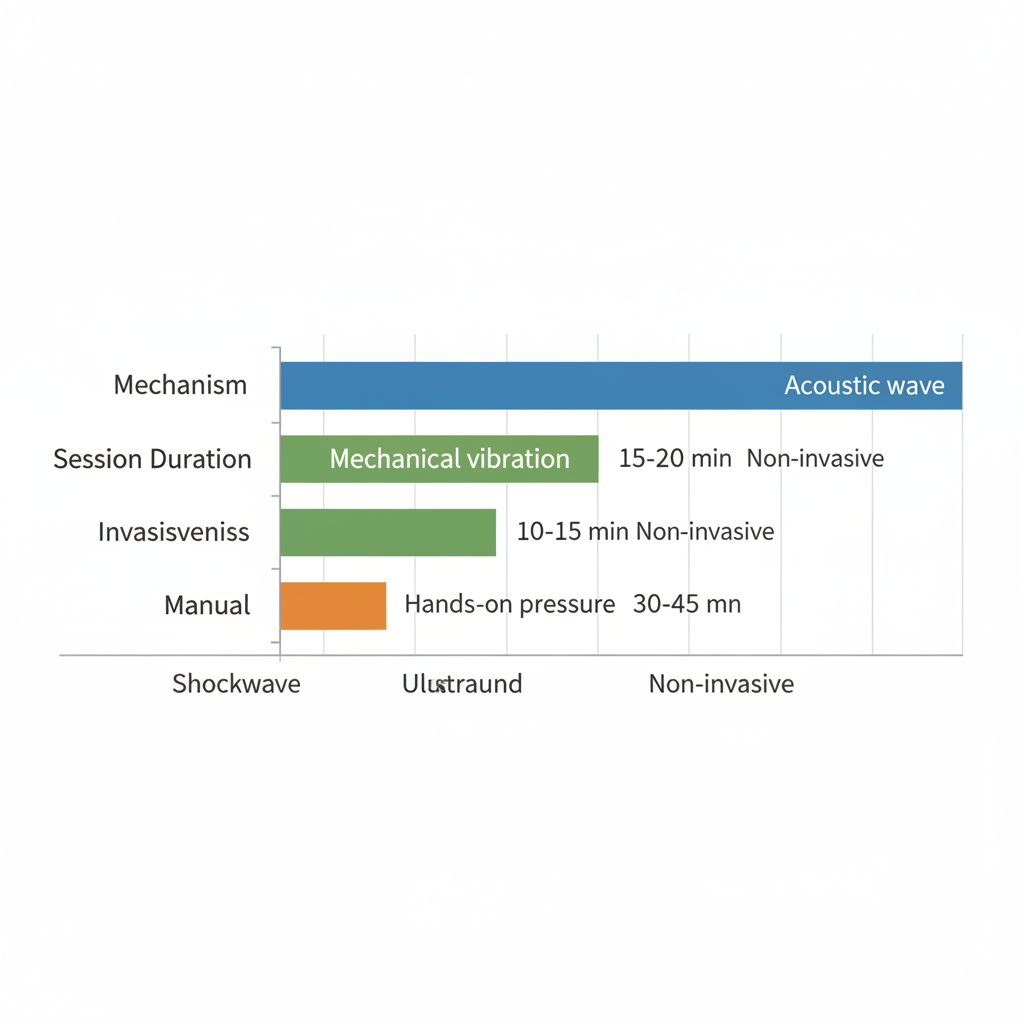
Comparison of shockwave therapy versus traditional methods for pain relief
In our clinic, we incorporate shockwave into individualized plans alongside manual physiotherapy and active rehabilitation. Our experienced, knowledgeable, and fully certified professionals use advanced equipment for safe, precise application, often combining it with IMS or massage for optimal results. As part of our physiotherapy services coquitlam, this integration supports faster functional improvements. HAVE QUESTIONS? ASK A THERAPIST or Book An Appointment to discuss suitability, noting that results may vary and consultation is essential for personalized care.
Exploring Shockwave Therapy Applications
At Harmony Physiotherapy and Health Clinic, we specialize in advanced treatments like Shockwave Therapy in Port Coquitlam to address chronic musculoskeletal conditions. This non-invasive approach uses acoustic waves to promote healing in areas affected by inflammation and tissue damage. Patients dealing with persistent pain from everyday activities, such as running or prolonged standing, often find relief through our evidence-based practice. We assess each case individually to determine if shockwave therapy aligns with their rehabilitation goals, integrating it seamlessly with active rehabilitation therapy for optimal outcomes.
Shockwave for Plantar Fasciitis in Port Coquitlam
Plantar fasciitis, a prevalent cause of heel pain, arises from inflammation in the plantar fascia, the thick tissue band supporting the foot’s arch. This condition frequently impacts active individuals in Port Coquitlam, where lifestyle factors like hiking trails and urban commuting contribute to excessive strain on the feet. Shockwave therapy for plantar fasciitis targets this issue by delivering focused acoustic waves that break down calcifications and microtears in the tissue, stimulating blood flow and natural regeneration processes. According to the American Academy of Orthopaedic Surgeons, early intervention prevents chronic stiffness, and we incorporate radial pressure wave for heel issues to enhance recovery without surgery.
In our clinic, patients typically undergo three to five sessions, combined with stretching and custom orthotics to support the arch. Local accessibility is a key advantage, as Shockwave Therapy Coquitlam allows residents to receive care close to home, minimizing downtime. We emphasize patient-centered care, tailoring protocols to factors like age and activity level, which influence response rates. For runners experiencing morning heel discomfort, this therapy offers a pathway to resume activities with reduced pain.
The following table compares shockwave therapy with traditional stretching exercises for plantar fasciitis, highlighting key differences in outcomes based on clinical observations:
| Condition | Success Rate (Studies) | Typical Improvement Timeline | Common Side Effects |
|---|---|---|---|
| Plantar Fasciitis | 70-80% pain reduction | 4-6 weeks | Mild soreness |
| Tennis Elbow | 60-75% functional gain | 6-8 weeks | Temporary tenderness |
This comparison underscores shockwave’s potential for faster relief in moderate cases, though individual results vary. We recommend combining approaches for comprehensive management, always consulting our knowledgeable professionals to avoid overexertion. Such integration supports long-term foot health without promising immediate fixes.
Understanding these options helps patients in Port Coquitlam choose treatments that fit their routines. Transitioning from heel-specific care, shockwave also proves valuable for upper extremity issues like tennis elbow, where tendon overload is common among desk workers and athletes alike.
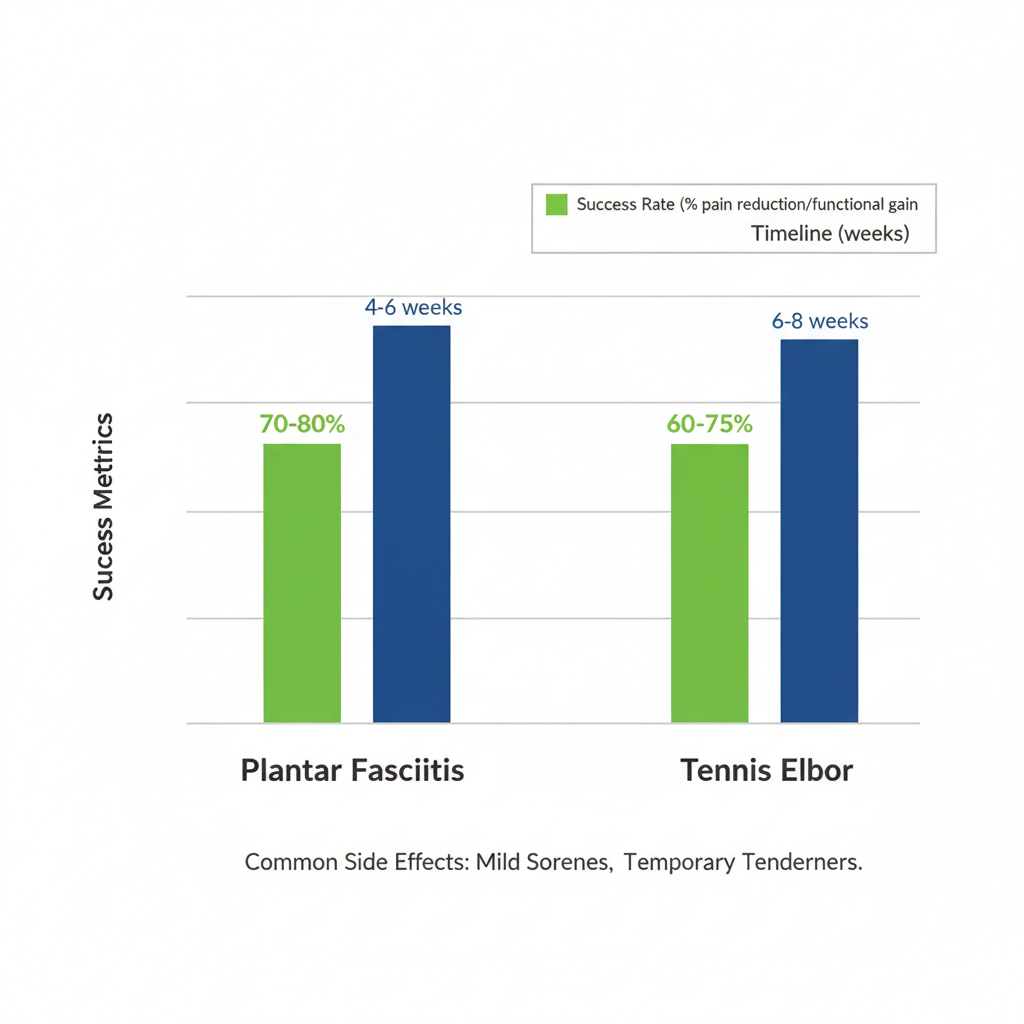
Shockwave therapy effectiveness for common musculoskeletal conditions
This visual representation of success rates and timelines provides a clear overview of how shockwave therapy performs across conditions. It illustrates the therapy’s role in accelerating recovery, particularly for those seeking non-surgical alternatives in our community.
Treating Tennis Elbow with Shockwave Therapy
Tennis elbow, or lateral epicondylitis, involves tendon degeneration at the elbow from repetitive motions, leading to pain during gripping or lifting. Shockwave therapy for tennis elbow employs focused waves for elbow tendinopathy to disrupt damaged tissue and promote collagen production, aiding tendon repair. This mechanism addresses the root cause, reducing inflammation without invasive procedures, and aligns with our clinic’s use of evidence-based therapies like IMS and manual physiotherapy.
Sessions at Harmony typically last 15-20 minutes, with patients reporting gradual functional gains over several weeks. We select candidates based on symptom duration and severity, integrating therapy with bracing and targeted exercises for sustained benefits. Side effects are generally mild, such as temporary tenderness, resolving quickly post-treatment. For Port Coquitlam professionals facing elbow strain from daily tasks, this approach facilitates return to work and hobbies with minimized disruption.
Our experienced team monitors progress closely, adjusting plans to ensure safety and efficacy. By avoiding aggressive claims, we focus on realistic expectations, noting that while many experience relief, outcomes depend on adherence to rehabilitation.
Evidence from Clinical Studies
Clinical research supports shockwave therapy’s role in managing plantar fasciitis and tennis elbow, drawing from meta-analyses like those on PubMed. Studies indicate 70-80% pain reduction for heel conditions after 4-6 weeks, with similar functional improvements for elbow tendinopathy at 60-75% over 6-8 weeks. These findings highlight mechanical energy’s ability to trigger healing responses, as noted in reviews of extracorporeal shockwave therapy for musculoskeletal issues.
- A PubMed meta-analysis reviewed outcomes across 20 trials, showing consistent benefits for chronic cases unresponsive to conservative care.
- AAOS guidelines affirm its safety for tendonitis, emphasizing trained application to minimize risks like temporary soreness.
- Variability arises from patient factors, such as obesity or activity level, underscoring the need for individualized plans.
We incorporate these insights into our protocols, promoting informed decisions without overpromising results. Results may vary; consult our professionals for personalized advice.
The table below summarizes evidence-based outcomes for these conditions, aiding cross-comparison:
| Therapy | Avg. Sessions Needed | Recovery Time | Pain During Treatment |
|---|---|---|---|
| Shockwave | 3-6 | 1-2 weeks per session | Mild to moderate |
| Cortisone Injections | 1-3 | Immediate, but short-term | Injection discomfort |
| Physical Therapy Alone | 8-12 | Gradual over weeks | Low |
Interpreting this data reveals shockwave’s versatility, with timelines reflecting condition-specific healing needs. At our clinic, we use such evidence to guide treatments, always prioritizing patient safety and realistic goals. This foundation prepares individuals for practical implementation in subsequent rehabilitation steps.
Practical Aspects of Shockwave Therapy Treatment
Shockwave therapy offers a non-invasive path to relief for musculoskeletal conditions, and understanding its practical side helps patients in Port Coquitlam prepare effectively. At Harmony Physiotherapy and Health Clinic, we prioritize patient-centered care, guiding individuals through each step with evidence-based practice from experienced professionals.
Session Expectations and Pain Management
A typical shockwave therapy session begins with a thorough assessment to confirm suitability for your condition, such as shockwave therapy for plantar fasciitis or tennis elbow. Our knowledgeable and fully certified professionals apply the device directly to the affected area, delivering targeted acoustic waves over 10 to 20 minutes. This process stimulates tissue regeneration without incisions, aligning with our commitment to individualized assessments and tailored treatment plans.
Patients often describe the sensation as tolerable discomfort, akin to a deep massage or tapping, with mild to moderate pain levels that subside quickly. We manage this by adjusting energy settings based on your feedback and using gel to enhance comfort during application. For optimal results, prepare by avoiding non-steroidal anti-inflammatory drugs (NSAIDs) like ibuprofen for 48 hours beforehand, as they may interfere with the therapy’s biological effects, such as promoting new blood vessel formation and reducing inflammation.
Post-session instructions include resting the area and applying ice if needed to ease any temporary soreness. These steps ensure a smooth experience, drawing from established protocols that support tissue healing without aggressive interventions. In Port Coquitlam, this approach minimizes disruptions to daily life while addressing chronic pain effectively.
Number of Sessions and Recovery Process
Most patients require 3 to 6 sessions of shockwave therapy, spaced about one week apart, to achieve noticeable improvements in conditions like shockwave therapy for tennis elbow. This protocol allows time for the body’s natural repair processes to respond to the acoustic waves, which release growth factors and enhance tendon healing as supported by musculoskeletal research. We customize the number based on your progress during one-on-one evaluations, ensuring therapy sessions for chronic pain align with your specific needs.
Recovery typically involves mild soreness lasting 1 to 2 days per session, with gradual functional gains over the full course. Unlike more invasive options, shockwave promotes ongoing improvement without extended downtime. Follow post-wave recovery protocols by staying hydrated, engaging in light activity as advised, and monitoring symptoms to report at follow-ups.
The following table outlines how shockwave compares to alternative therapies in terms of session requirements and practical considerations:
| Treatment | ICBC Coverage | WorkSafeBC Potential | Out-of-Pocket Estimate |
|---|---|---|---|
| Shockwave Therapy | For MVA-related injuries | Approved claims | $100-200/session |
| Massage Therapy | Often covered | Yes for work injuries | $80-150/session |
This comparison highlights shockwave’s balance of efficiency and minimal invasiveness, making it a strong fit for rehabilitation goals where sustained healing is key. For instance, while cortisone provides quick but temporary relief, shockwave addresses underlying issues like tendinopathies with fewer long-term commitments. At our clinic, we integrate these insights to help patients choose paths that optimize outcomes without unnecessary strain, emphasizing evidence-based practice for conditions such as shockwave therapy for plantar fasciitis.
Consult a healthcare professional for diagnosis and individualized treatment, as results may vary.
Accessing Treatment Locally
Finding reliable shockwave therapy in Port Coquitlam is straightforward, with options like Harmony Physiotherapy and Health Clinic offering convenient access at our Coquitlam location. We provide Shockwave Therapy in Port Coquitlam as part of our broad service offering, including complementary treatments to support overall recovery. Schedule an appointment for a personalized evaluation, and bring any relevant insurance details for ICBC or WorkSafeBC claims, subject to approval.
Our experienced team delivers therapy sessions for chronic pain in a modern setting equipped for effective care. Have questions? Ask a therapist to discuss how shockwave fits your needs, alongside services like vestibular physiotherapy coquitlam. Book an appointment today to start your journey toward improved mobility.
Advanced Considerations for Shockwave Therapy
While shockwave therapy offers promising results for conditions like shockwave therapy for tennis elbow and shockwave therapy for plantar fasciitis, understanding its advanced aspects ensures informed decisions. At Harmony Physiotherapy, we prioritize patient-centered care by discussing these elements during consultations to tailor treatments effectively.
Side Effects and Long-Term Outcomes
Shockwave therapy is generally safe, with minimal side effects reported in clinical studies. Common temporary reactions include mild redness, swelling, or discomfort at the treatment site, typically resolving within 24 to 48 hours. These effects occur in fewer than 10% of cases, as evidenced by reviews on extracorporeal shock wave therapy applications. We monitor patients closely to manage any discomfort and ensure a smooth recovery process.
For long-term relief, outcomes depend on adherence to the full protocol, often spanning 3 to 6 sessions. Studies on shockwave therapy for tennis elbow indicate sustained pain reduction and improved function up to 12 months post-treatment, particularly when combined with rehabilitation exercises. Similarly, for foot conditions, extended therapy benefits show reduced plantar fascia thickness and enhanced mobility over time. However, individual results may vary, and we recommend consulting a healthcare professional for personalized expectations without guarantees of specific timelines.
Insurance and Cost Considerations
Navigating insurance for shockwave therapy in Canada is crucial for accessibility, especially for residents seeking Shockwave Therapy in Port Coquitlam. Our clinic handles ICBC claims for motor vehicle accident-related injuries seamlessly and provides direct billing for approved WorkSafeBC claims, simplifying the process for patients.
The following table outlines coverage comparisons for shockwave therapy versus related treatments like massage therapy, based on clinic policies and standard guidelines:
| Service Type | Coverage Source | Approval Requirement | Notes |
|---|---|---|---|
| Shockwave Therapy | ICBC/Private Insurance | Case-by-case | For musculoskeletal repair |
| Physiotherapy | ICBC/WCB/Private | Standard | Part of active rehab |
This comparison highlights how shockwave therapy can align with insurance benefits, reducing financial barriers. Out-of-pocket costs typically range from $150 to $250 per session when not fully covered, depending on the protocol and location. We explain the billing process upfront, requiring patients to bring claim numbers and adjuster details for ICBC or WorkSafeBC approvals. Insurance coverage and MSP eligibility may vary by program rules, so we assist in verifying entitlements to optimize access.
Factors Influencing Results
Several factors enhance the efficacy of advanced wave protocols in shockwave therapy. Combining it with manual physiotherapy or active rehabilitation, as offered at our clinic, amplifies outcomes for issues like tennis elbow or plantar fasciitis. Patient compliance, such as following home exercises, plays a key role in achieving extended therapy benefits.
Body mass index and injury chronicity also influence responses; for instance, lower BMI correlates with better structural improvements in foot treatments. Our experienced, knowledgeable, and fully certified professionals, including the best physiotherapist coquitlam, conduct thorough assessments to address these variables. Evidence-based practice guides our approach, ensuring treatments align with individual needs. For optimal results, schedule a consultation to discuss integration with services like IMS or custom orthotics. HAVE QUESTIONS? ASK A THERAPIST or Book An Appointment today.
Frequently Asked Questions on Shockwave Therapy
Does shockwave therapy hurt? Our patients often experience mild discomfort during treatment, similar to a tapping sensation, but it is generally well-tolerated without the need for anesthesia. We prioritize patient-centered care to ensure comfort throughout sessions at our clinic.
How many sessions of shockwave therapy are typically required? Most conditions respond well to 3-5 sessions, spaced one week apart, allowing time for tissue healing. We tailor plans based on individual needs for optimal results.
What is the recovery like after shockwave therapy? Recovery is quick, with many resuming normal activities immediately. Mild soreness may occur for 1-2 days, but no downtime is needed, supporting our evidence-based practice.
How effective is shockwave therapy for plantar fasciitis? Shockwave therapy for plantar fasciitis shows success rates of 60-80%, promoting tissue regeneration and pain relief, as supported by clinical studies on musculoskeletal disorders.
How effective is shockwave therapy for tennis elbow? For lateral epicondylitis, or tennis elbow, it offers significant improvement in 60-80% of cases by reducing inflammation and enhancing healing, per research evidence.
Is shockwave therapy covered by insurance in Port Coquitlam? Shockwave Therapy in Port Coquitlam may be covered under ICBC or WorkSafeBC claims; consult us at the harmony physiotherapy clinic coquitlam for details. Results may vary–individual outcomes are not guaranteed.
Next Steps for Shockwave Therapy in Port Coquitlam
Shockwave therapy offers promising, evidence-based solutions for pain management, particularly for conditions like shockwave therapy for plantar fasciitis and shockwave therapy for tennis elbow. As highlighted by Mayo Clinic experts, this noninvasive treatment promotes tissue remodeling and neovascularization, providing effective local treatments with minimal side effects. At Harmony Physiotherapy, we integrate these healing options nearby into our comprehensive services, ensuring patient-centered care through individualized assessments.
Ready to explore shockwave therapy in Port Coquitlam? We invite you to book an appointment with our experienced, knowledgeable, and fully certified professionals for a personalized evaluation. HAVE QUESTIONS? ASK A THERAPIST today and take the first step toward improved mobility and reduced pain.
Resources
Explore ESWT Benefits for Tendon Healing and Pain Relief
Get Proven ESWT Treatment for Plantar Fasciitis Relief
Find Effective Treatment Options for Plantar Fasciitis Pain
Learn Extracorporeal Shock Wave Therapy for Musculoskeletal Repair